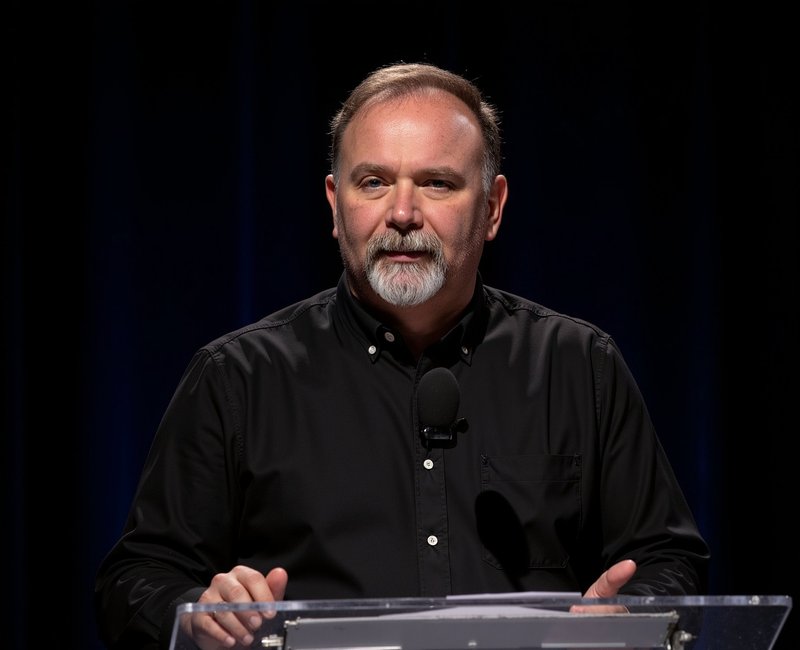
The Principal

Nathan
Littlepage

Fractional Chief AI Officer  ·  QNS, LLC
"I've been on both sides of the operational intelligence problem. Finding threats before they materialize, and building the systems that created them. That dual perspective is the foundation of how QNS diagnoses and fixes organizations."
Nathan Littlepage, Principal, QNS, LLC
Nathan Littlepage  ·  QNS, LLC
BS
Degree Computer Engineering
30+
Years Operational Experience
CI
Background Army Communications & Intelligence
SDI
Infrastructure Sovereign Data Intelligence
The Posture

What Makes
QNS Different

Most consultants arrive with a framework and fit your business into it.

QNS doesn't work that way.

We arrive with a diagnostic methodology and use it to understand your business on its own terms, before we say anything about what should change. What we deliver is not a recommendation. It's an accurate picture of what is actually happening, what is causing it, and what the highest-leverage path to a better state looks like.

Recommendations vs Intelligence

That distinction matters. Recommendations are opinions. Intelligence is evidence.

We have found that the real problem is almost never the one the client came in with. It's the structural condition producing the symptom they described.

We find that condition. We address it. And we build the operating system that keeps it from coming back.

The Dual Perspective

Both Sides
of the Problem

"The person hunting threats thinks differently than the person building systems. I've been both. That changes what you see in an organization."

Most operational consultants come from one direction, either the technology side or the business strategy side. Nathan's background cuts across both at a level that's structurally uncommon.

As an Army Communications & Intelligence specialist, he was trained to find what organizations cannot see about themselves, to map threat surfaces, identify exploitable gaps, and trace vulnerabilities back to their structural root before they became incidents.

As an enterprise systems operator, he built and managed the infrastructure that, when it failed, created exactly the kind of business risk he had spent years learning to identify. He's been in the incident. He's been the one responsible for the systems that caused it. That's not a biography, it's a diagnostic advantage.

The Intelligence Officer

Communications & Intelligence training produces a specific cognitive posture: observe first, interpret second, never accept the presented narrative at face value.

Every QNS engagement begins from this posture. Org charts are not the org. SOPs are not the process. What leadership reports and what actually happens are almost never the same thing. The analyst's job is to find the delta, and name it with precision.

The Systems Engineer

A BS in Computer Engineering is not a computer science degree. Engineering is about systems under constraint, hardware, failure modes, the physical limits of what can be built and how it behaves when stressed.

That engineering discipline is what separates systems thinking from software thinking. QNS doesn't optimize for elegance, it engineers for resilience. The question is never "what's the best design?" It's "what happens when this breaks?"

Background

The Path
That Built
the Practice

QNS is not built on theory. It is built on 30+ years of operational experience across military intelligence, enterprise-scale systems, and high-growth technology environments, with a thread running through all of it: what happens when systems that are supposed to work don't.

Foundation
Computer Engineering Degree
Engineering Discipline, Not Computer Science

Built the systems-thinking foundation: hardware architecture, failure analysis, constraint-based design. The degree that produces engineers who ask "what breaks?" before "what works?"

Military
Army Communications & Intelligence
United States Army

Trained in threat identification, vulnerability mapping, and intelligence analysis. Developed the observe-first, interpret-second posture that governs every QNS engagement. Learned to find what organizations cannot see about themselves.

Enterprise
Large-Scale Systems Operations
Fortune-Scale Technology & Telecom Environments

Managed enterprise infrastructure at scale, including direct experience with multi-day system outages and the governance gaps that cause them. Saw firsthand how technical failures become business crises when decision authority is undefined.

High-Growth
Operational Systems & AI Architecture
Growth-Stage & Technology Environments

Applied operational systems thinking to high-growth contexts, where scaling speed consistently outpaces systems capacity and the cost of operational gaps compounds faster than most founders anticipate. Built and operated proprietary AI infrastructure.

Present
Principal, QNS, LLC
Fractional Chief AI Officer

Founded QNS to deliver the embedded operational intelligence that most businesses need but can't justify full-time. The same methodology. The same infrastructure. Available fractionally, without the overhead.

Headquartered in Scott City, Missouri. QNS works with businesses across Southeast Missouri (Cape Girardeau, Poplar Bluff, Sikeston, and the surrounding counties) and serves clients nationwide on a remote-first basis.

Legally registered as QNS, LLC (Missouri). Formerly Quantitative Network Solutions, LLC.

Operating Philosophy

How Nathan
Thinks

Every engagement is governed by the same set of principles, not as guidelines, but as constraints. These are the beliefs that produce the outcomes QNS is built to deliver. They are also what keeps the firm anchored to its regional position: AI fluency paired with operational continuity discipline, not generic consulting.

01
Diagnosis Before Prescription

No intervention before observation is complete. The pressure to prescribe early creates the illusion of progress while leaving root causes intact. The most valuable act at the start of an engagement is restraint.

02
Structure Produces Behavior

Dysfunction is not a people problem. It is a system design problem. When QNS observes dysfunction, it is observing the natural output of a system whose structure reliably produces it. We address the structure, not the personalities within it.

03
Intelligence, Not Recommendations

Recommendations are opinions about what to do. Intelligence is an accurate understanding of what is, what's causing it, and the highest-leverage path to a better state. Clients can find recommendations anywhere. QNS provides intelligence.

04
Resilience by Design

The goal is systems where the right response is the default, not the heroic exception that depends on the right person being in the room. If the system requires a specific individual to function, it is not a system. It is a dependency.

05
What Happens When It Breaks

The question is not "what's the best design?" The question is "what happens when this fails?" Every system, every process, every technology choice is evaluated against its failure mode, not its optimal performance.

06
The Engagement Succeeds When It Ends

A QNS engagement has succeeded when the organization can maintain its own operational health after QNS leaves. If performance depends on continued presence without a structured retainer, the engagement has not yet succeeded.

Operational Infrastructure

Nathan operates with a proprietary sovereign intelligence infrastructure — an operational intelligence layer running on QNS-controlled infrastructure. Not a cloud subscription. Not a third-party tool. Most fractional executives bring a framework. Nathan brings a framework and the sovereign intelligence infrastructure to run it. It is one reason QNS operates with a level of precision that most firms at this price point cannot match.

The Entry Point

Start with
a Conversation

Every QNS engagement begins the same way, with a direct conversation about where your business actually is. No pitch. No framework presentation. Just a diagnostic conversation with someone who has seen what you're dealing with from both sides.

Book a Discovery Call